


A Scientific Guide on How to Stop Procrastinating
By Applied Change
Share


From the author of Atomic Habits, James Clear has created ‘A Scientific Guide on How to Stop Procrastinating’. In his own words, this purpose of this guide is to break down the science behind why we procrastinate, share proven frameworks you can use to beat procrastination, and cover useful strategies that will make it easier to take action.
Visit the guide, here.
Related content

What makes people believe change will really happen?
People may still believe in your vision while quietly losing confidence that the organisation will achieve it.
Leading change
Browse our free video library for practical tips and recommendations on leading change

The Ground Is Moving. Is Your Organisation Built for That?
Disruption used to arrive one challenge at a time. You could transform, consolidate, and prepare for what came next. That breathing space no longer exists. Here’s what compounding change actually costs organisations, why the instinctive response tends to make things worse, and what genuine adaptability looks like in practice.
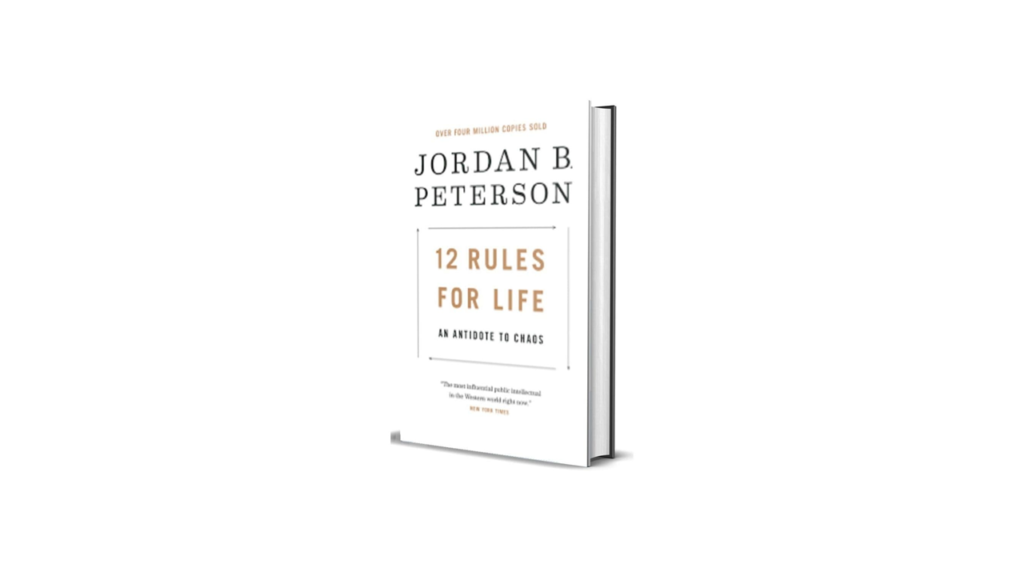
Jordan B Peterson: 12 Rules for Life
12 essential lessons to remind us how to find meaning for ourselves amidst the chaos and suffering that defines what it is to be human.
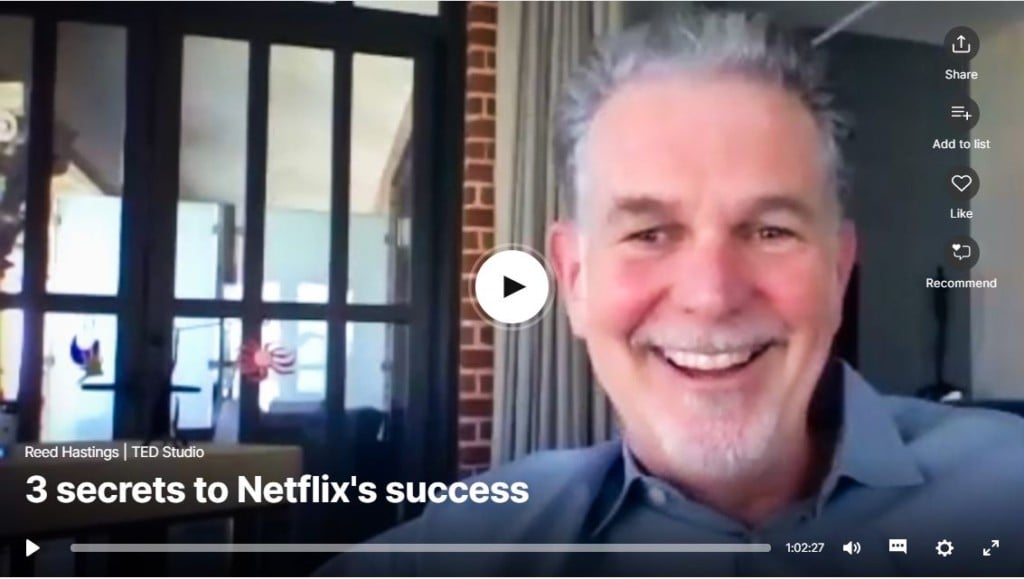
Reed Hastings – 3 Secrets to Netflix’s Success
In a world where agility and pace are critical to survival, the long term winners will be those who can sustainably unleash creative thinking right across the business. In this excellent TED interview Reed Hastings shows how different, often radical models have been adopted at Netflix, models that challenge to the very core some of our beliefs about how businesses can be run.


[ninja_form id=6]
[ninja_form id=2]