


The Great Relationships Reset
By Applied Change
Share


The Coronavirus pandemic changed the way we interact, with reduced face-to-face interaction, increased online connection and working from home. Many of these changes are becoming permanent and in turn, we all need to review how we connect and communicate with each other effectively in the future.
The Meta Foresight (formerly Facebook IQ) team conducted a survey of 36,000 adults across 12 markets.
Among their key findings:
- 72% of respondents said that the pandemic caused them to reprioritize their closest friends
- Young people are most open to using more immersive tech to foster connections (including augmented and virtual reality), though all users indicated that tech will play a bigger role in enhancing personal connections moving forward
- 37% of people surveyed globally reported reassessing their life priorities as a result of the pandemic
Read the full research findings, here.
Related content
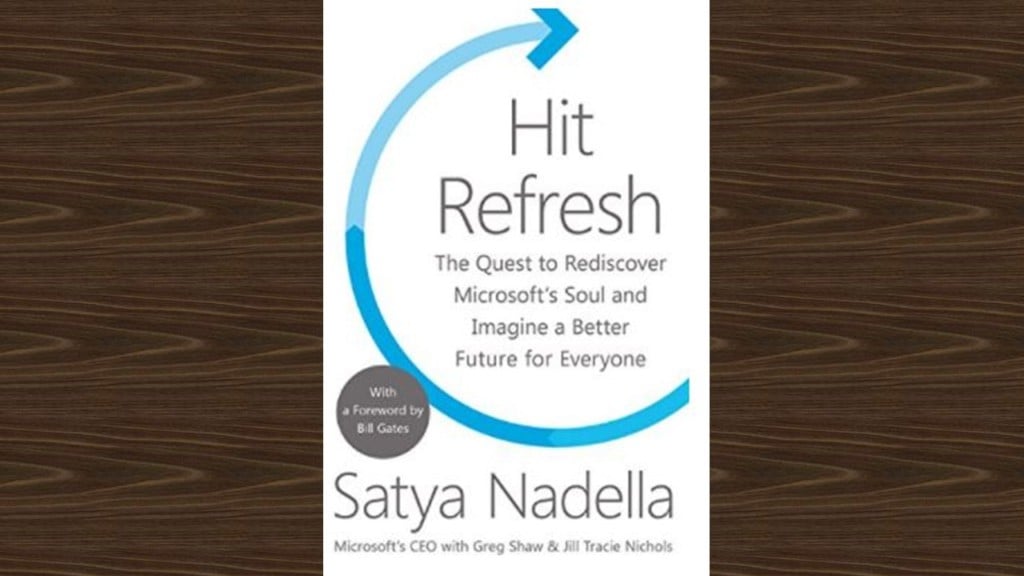
Satya Nadella – Hit Refresh
Think that some organisations are too big or too well established to change? Think again. Satya Nadella and the team at Microsoft of proven otherwise.
Change Journey Navigator Tool
A Change Readiness Assessment tool does all the hard work for you, from survey to comprehensive results and suggested actions in just a few days or less

The High Impact Changemaker Formula®
The High Impact Changemaker Formula – create lasting change.
Change doesn’t fail due to bad ideas—it fails because of resistance, fatigue, and poor execution. The High Impact Changemaker Formula is a proven framework to help you turn your idea into reality by getting people truly behind it.
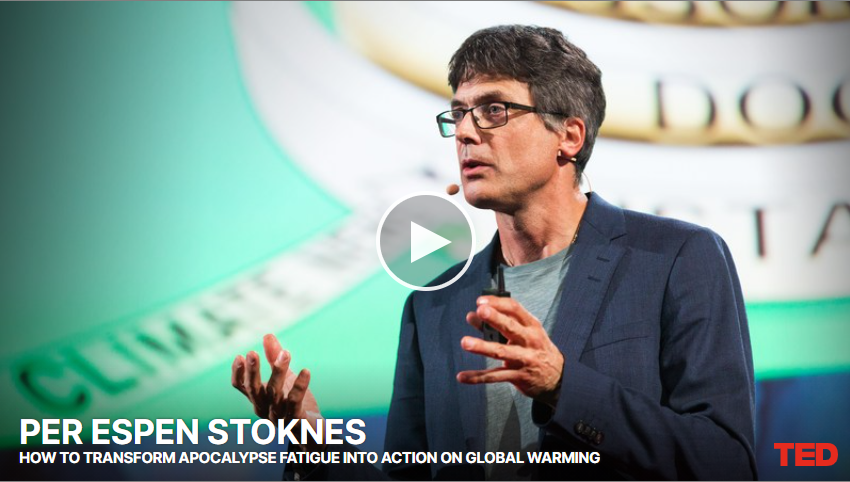
Per Espen Stokes – How to Transform Apocalypse Fatigue into Action on Global Warming
Per Espen Stoknes gives some excellent insights on why we resist making the changes needed address the climate emergency (despite the fact that our future depends on it)

[ninja_form id=6]
[ninja_form id=2]