

In too many organisations, the biggest obstacle to success isn’t the quality of the plan — it’s what happens after the plan is approved. A common mistake senior leaders (and their teams) make is assuming that approval and acceptance equals commitment.
You may have a detailed project roadmap, strong sponsorship and visible leadership support. You may even have communicated the change across the business. But if people don’t truly commit — emotionally and behaviourally — it won’t stick. They’ll follow the old habits, the moment pressure builds, deadlines loom, or priorities shift.
Why Approval ≠ Commitment
Approvals give permission. They don’t guarantee belief. At executive meetings, ideas may pass. Budgets may be signed off. But that doesn’t mean the people responsible will deliver — not unless they believe, understand and are personally invested.
When leaders mistake approval for real commitment, you get:
- Slow adoption — teams take longer to transition, if they change at all
- Half-measures — legacy behaviour lingers alongside new systems or processes
- Hidden resistance — people comply in meetings but quietly avoid real change
- Blame cycles — when things go wrong, fingers point at process rather than lack of clarity or engagement
- Value leakage — strong plans, weak delivery, weak return on investment
What Leaders Often Miss (Because It’s Invisible)
There are four hidden gaps that make “approval ≠ commitment” so dangerous:
1. Lack of emotional buy-in
People may understand what’s being asked — but not why it matters for them, their team, or the organisation. Without that personal relevance, motivation stays shallow.
2. Unclear change in daily behaviour
Even with new systems or processes, nothing changes if daily habits don’t. People fall back on familiar routines, especially under pressure.
3. Fragile accountability
When the change depends on implicit assumptions — unspoken expectations, unclear ownership, vague deadlines — commitment becomes optional. And when optional, it often doesn’t happen.
4. Hidden friction and resistance
Organisational inertia, cultural shortcuts, legacy mindsets — any of these create friction that erodes momentum as soon as attention drifts. Because these factors are rarely surfaced, leaders think the problem is the plan, not the people.
How to Close the Gap — From Approval to Real Commitment
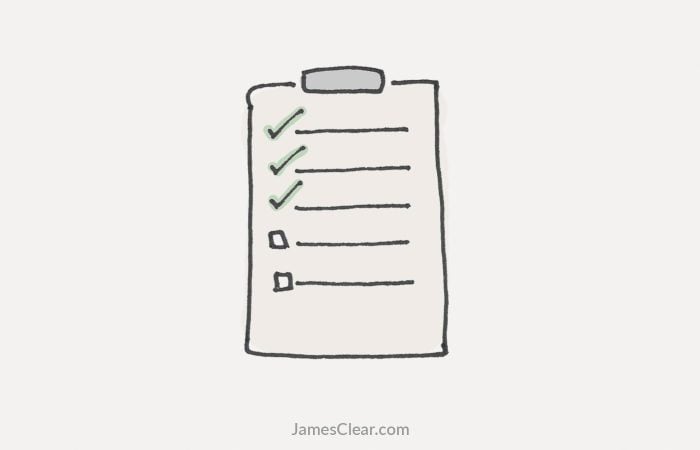
Here’s a simple, powerful leadership checklist to turn plans into performance:
- Test for personal buy-in: Ask key stakeholders: “Why does this matter to you?” Don’t assume alignment comes automatically when you think you’ve explained the benefit at a high level.
- Translate plans into behaviours: Define what daily actions must change. Be specific. Be clear. Then measure and recognise those actions, not just outcomes.
- Make accountability explicit: Assign ownership, milestones, consequences. Don’t leave change to hope or good intent.
- Spot and remove friction early: Make the new way easier than the old. Simplify workflows. Remove blockers. Provide support for transition — not just instruction.
- Monitor real adoption — not just compliance: Track what people are doing, not what they say they are doing. Use data, feedback and direct observation to catch drift early.
Before You Launch Your Next Initiative, Ask Yourself:
“Are we securing approval — or commitment?”
If you can’t answer that clearly, pause. Because without real commitment — plans, budgets and deadlines won’t deliver results.
Want to Avoid this and Other Common Mistakes?
If you’re planning a significant change — and want to avoid the most common traps — you can take one of three simple next steps:
- Take the Momentum Diagnostic – get a quick view of what’s stopping real commitment in your organisation.
- Download the Free Guide – learn the five hidden momentum killers that crush even the best plans.
- Start a Conversation – if you need support translating plans into execution and embedding real commitment across your teams.




Leave a Reply