


Inside the mind of a master procrastinator
By Applied Change
Share


Tim Urban knows that procrastination doesn’t make sense, but he’s never been able to shake his habit of waiting until the last minute to get things done. In this hilarious and insightful TED talk, Urban takes us on a journey through YouTube binges, Wikipedia rabbit holes and bouts of staring out the window — and encourages us to think harder about what we’re really procrastinating on, before we run out of time.
Related content

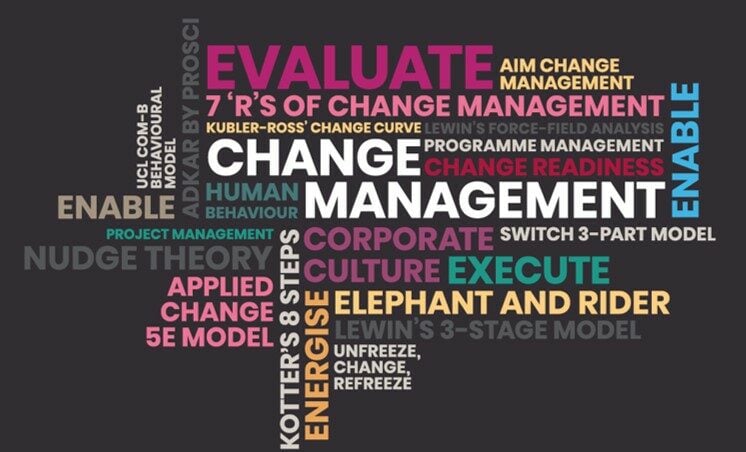
Change Leadership – A best practice guide
Change Management is the collection of approaches and methods used to influence human behaviour. There are countless models and books on the topic so we’ve summarised some of the main ones here.
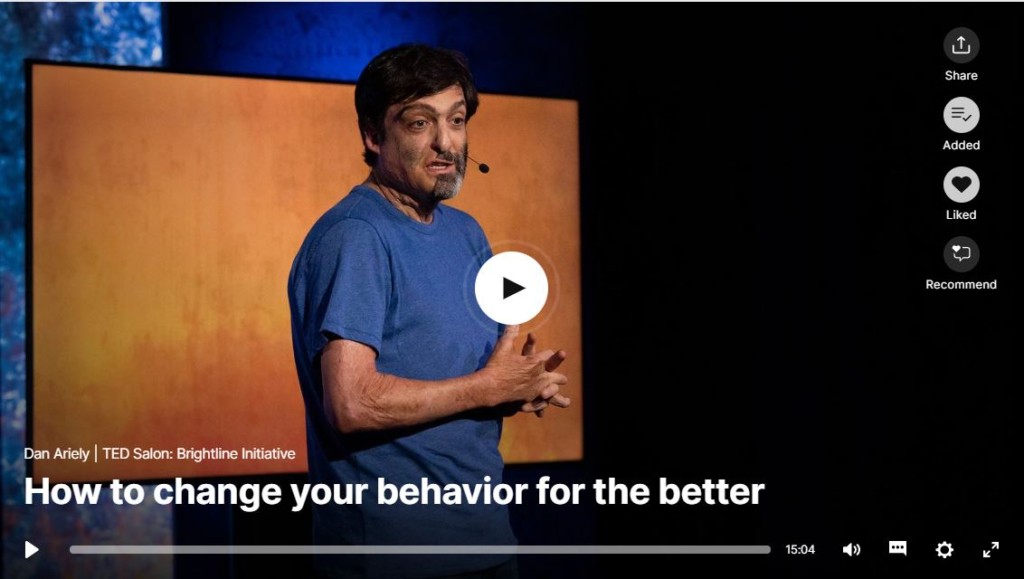
Dan Ariely: How to Change Your Behaviour for the Better
Why do our behaviours so often fail to live up to our good intentions? Some great tips and ideas to consider when making changes not only for ourselves but in those around us.

Why Transformation Programmes That Look Healthy Are Often Already in Trouble
Status reports can look healthy long after a transformation programme has quietly begun to fail. The forces responsible don’t show up on RAG reports or trigger escalations. They operate beneath the surface, draining momentum gradually until the gap between where the organisation is and where it was supposed to be becomes impossible to ignore.

Why Your Transformation Programme Is Stalling. And Why It’s Not What You Think
You have the budget, the plan, and capable people leading the work. Yet progress feels slower than expected. Discover why transformation programmes often stall—and why the real problem is rarely the plan itself.

The Most Expensive Conversations Your Organisation Isn’t Having
In most transformation programmes there are two conversations: the one that happens in the room and the one that happens afterwards. The gap between them, between what people say and what they actually think, is one of the most costly and least visible risks in large-scale change. Here’s what creates it, what it costs, and what leaders can do about it.

[ninja_form id=6]
[ninja_form id=2]