


John Kotter – The Evolution of the 21st Century Organisation
By Applied Change
Share



John Kotter discusses why the organisational structures designed in the late 19th century are slowing businesses down in an era of rapid change. And what can be done to increase the pace. Whilst this was recorded in 2013, the lessons are, if anything, becoming more true by the day.
Related content
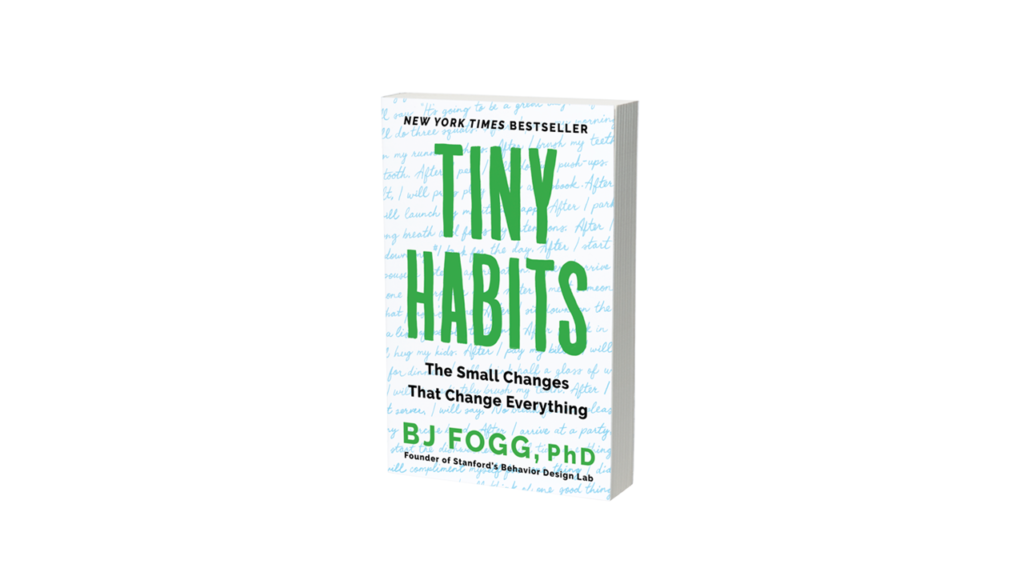
BJ Fogg – Tiny Habits
Tiny Habits show us how we can more easily create new positive habits that help us to improve our happiness, health and wellbeing or to eliminate those habits that are working against us.
Leading change
Browse our free video library for practical tips and recommendations on leading change

Everyone Is Working Hard. So Why Isn’t Anything Moving?
The people in your transformation programme are almost certainly working hard. The question is whether all that effort is moving in the same direction. Here’s why the clarity gap is one of the most expensive and least visible problems in large-scale technology implementation, and why it’s rarely visible from the top.
Terms and Conditions
Use of this website and it’s content are subject to the terms and conditions set out below.

[ninja_form id=6]
[ninja_form id=2]