


Celeste Headlee – 10 ways to have a better conversation
By Applied Change
Share


The art of conversation is so critical to everything we do, it’s a wonder that we’ve yet to truly master it. This is one to watch over and over because experience shows we’ll still forget the lessons here and slip back into the habits of waiting to reply, rather than really listening with the intent to learn. Yet getting this right has the power to change everything.
In the words of Stephen Covey, “seek first to understand and then be understood”.
Related content
Change Leadership – A best practice guide
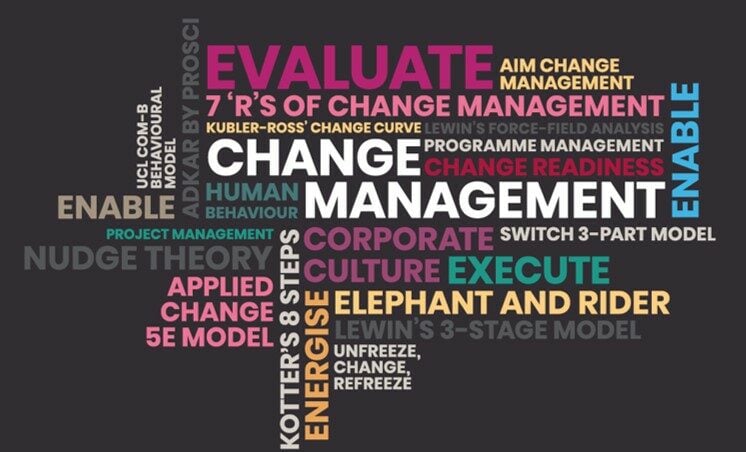
Change Management is the collection of approaches and methods used to influence human behaviour. There are countless models and books on the topic so we’ve summarised some of the main ones here.

Lead With Confidence. Deliver with Impact
Unleash hidden potential in your organisation, overcome resistance, and drive meaningful progress. With the Change Journey Navigator, leaders can accelerate adoption, inspire engagement, and deliver lasting results—all with confidence and clarity.

Rory Sutherland: Sweat the small stuff
Rory Sutherland discusses how our perception of things shapes our reality. This is an area of increasing focus for behavioural economics and in business. Understanding how we really behave and how irrational we are means that seemingly small and inexpensive changes can have a disproportionate effect on our behaviour and therefore the outcomes that result from it.

Everyone Is Working Hard. So Why Isn’t Anything Moving?
The people in your transformation programme are almost certainly working hard. The question is whether all that effort is moving in the same direction. Here’s why the clarity gap is one of the most expensive and least visible problems in large-scale technology implementation, and why it’s rarely visible from the top.


Change Fatigue Isn’t Caused by Too Much Change
When a transformation programme loses energy, the instinctive explanation is that there’s simply too much change happening at once. It’s an appealing diagnosis because it feels analytically sound. The problem is it’s usually wrong. Here’s what actually causes change fatigue, and why acting on the wrong diagnosis tends to make things considerably worse.

[ninja_form id=6]
[ninja_form id=2]