


Margaret Heffernan – Forget the Pecking Order at Work
By Applied Change
Share


This is a must see for any of you who are looking to improve culture in the workplace or even when looking for your next career move. Simple in its essence yet the messages are powerful. Many of us are encouraged from a very young age to try to be the best, to win at all cost and all too often at the expense of those around us. It’s easy to forget that true long term success is always a team game and, when we get it right, it’s so much more fun too!
See if you can identify any “super chickens” in your workplace.
Related content
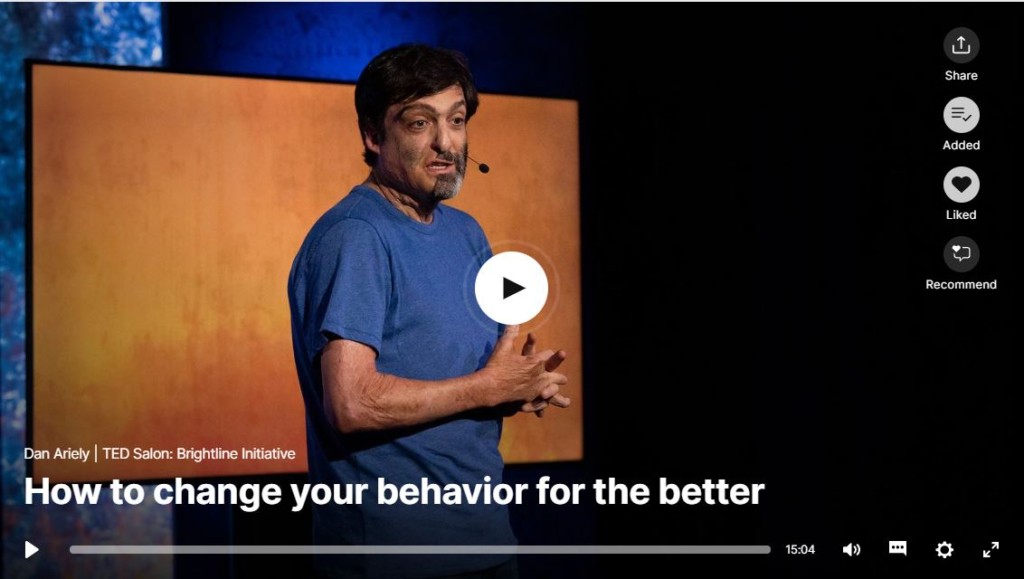
Dan Ariely: How to Change Your Behaviour for the Better
Why do our behaviours so often fail to live up to our good intentions? Some great tips and ideas to consider when making changes not only for ourselves but in those around us.

What makes people believe change will really happen?
People may still believe in your vision while quietly losing confidence that the organisation will achieve it.
Protected: ENERGISE: K.I.C.K. Start the Urgency for Change
There is no excerpt because this is a protected post.
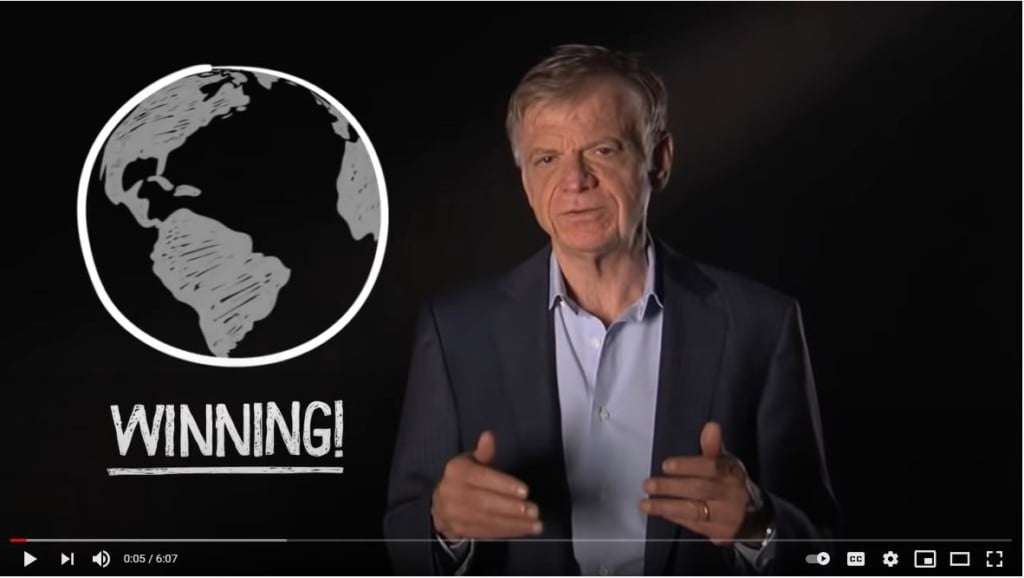
John Kotter – The Evolution of the 21st Century Organisation
John Kotter discusses why the organisational structures designed in the late 19th century are slowing businesses down in an era of rapid change. And what can be done to increase the pace. Whilst this was recorded in 2013, the lessons are, if anything, becoming more true by the day.
Change Readiness - Get in Touch

[ninja_form id=6]
Change Readiness Assessment - Let's get started!
[ninja_form id=2]