


Tzeporah Berman – The global treaty to phase out fossil fuels
By Mark Vincent
Share


When trying to shift human behaviour in a certain direction it’s important to consider what obstacles or hurdles could be in the way or pushing against the change we are trying to make. It’s clear from all the evidence that we need to eliminate fossil fuels and yet they are still the cheaper option in most cases. Put another way, we’re doing a great job of giving all of us a reason not to change, i.e. it’ll cost us more. Imagine if the right option was also the cheapest, how many more people would change and how quickly?
This excellent talk and the movement behind it shines a light on a key missing piece of the puzzle that is needed to make that shift. Apparently renewables are cheaper but the market is distorted with tax breaks and subsidies in favour of fossil fuels, making it fossil fuels cheaper. This global treaty aims to level the playing field and fix those distortions.
Related content

When busyness becomes avoidance
The operational work is real. So is the possibility that it is protecting leaders from something harder.
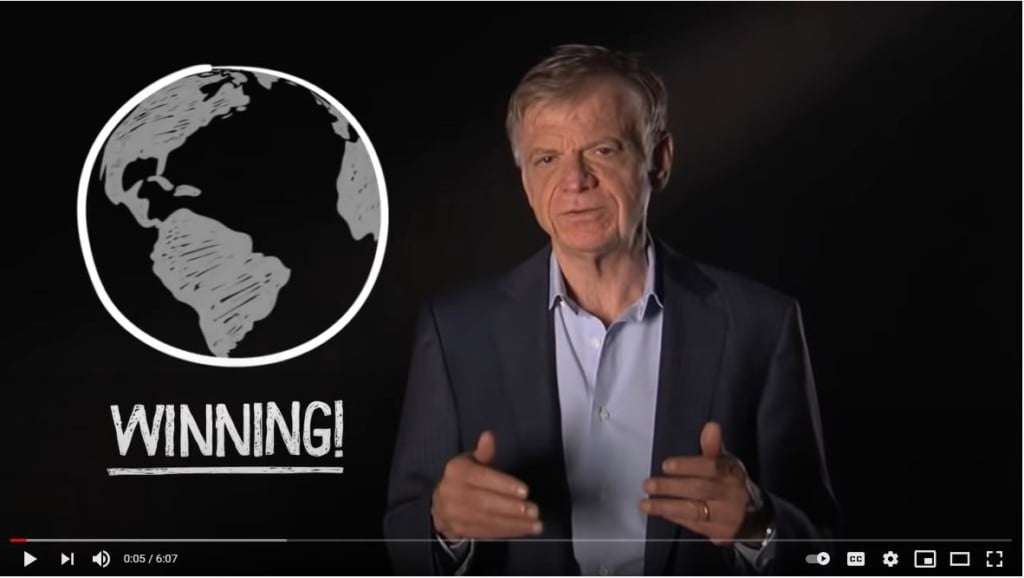
John Kotter – The Evolution of the 21st Century Organisation
John Kotter discusses why the organisational structures designed in the late 19th century are slowing businesses down in an era of rapid change. And what can be done to increase the pace. Whilst this was recorded in 2013, the lessons are, if anything, becoming more true by the day.
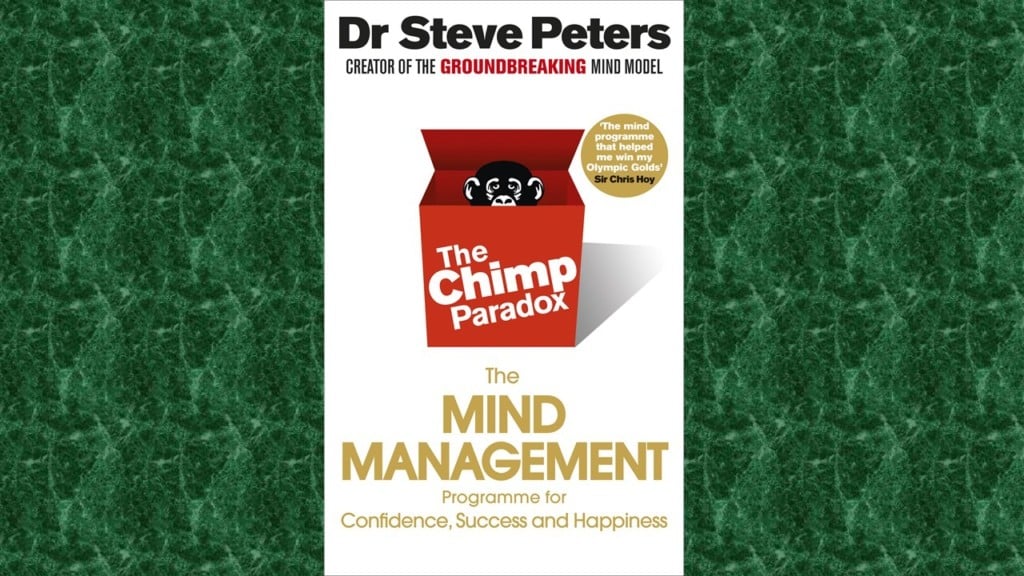
Professor Steve Peters – The Chimp Paradox
We love this book because it goes a long way towards explaining why our actions and behaviours often don’t live up to our good intentions. The recognition that different parts of our brain are operating simultaneously at any given moment, often in competition with each other, helps us to see our own emotions and behaviours and those of others around us in a whole new light. In our view this is essential reading for anyone who is looking to influence human behaviour or understand their own. For those who want a quick intro, the link will take you to his TED talk.
The danger of the finished answer
AI can produce a polished plan in minutes. But when delivery depends on people, the process can build ownership, shared understanding and resilience.

[ninja_form id=6]
[ninja_form id=2]